Why Social Media matters to small nurseries – and how to use it without losing your mind
Paul Gibson, Peter the Bee and Friends Nursery, based in the Wyre Forest, Worcestershire. - 06 March 2026
Okay, so I was sceptical — perhaps like many others. I’m a nursery grower first and a social media user second, and I didn’t arrive on Facebook or Instagram with any great enthusiasm. It wasn’t about building a brand or keeping up with fashion; it was simply a practical attempt to let people know what I was growing, how it was progressing, and where they could find us.
Like a lot of small nurseries, I wondered whether social media genuinely mattered, or whether it was just something we were all being swept along with. After all, good plants are grown with time, patience and attention — not hashtags. I was wary of spending energy on something that felt peripheral to the real work.
But after several years of using social media cautiously, imperfectly, and very much in my own way, I’ve come to a simple conclusion:
Social media does matter — just not for the reasons people often think
It isn’t really about marketing – it’s about visibility
For most small nurseries, the biggest challenge isn’t quality — it’s being seen. We attend a limited number of fairs, many of us grow in rural locations, and we often specialise in plants people don’t yet know they want.
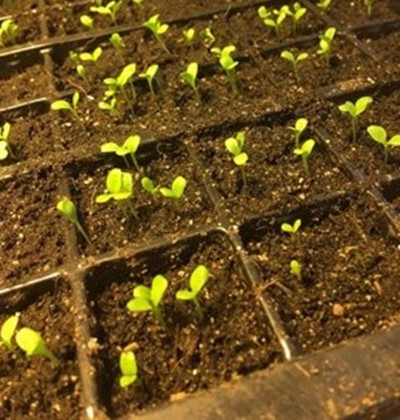
Social media quietly fills the gaps between those moments of face-to-face contact. A simple post showing what’s happening in the nursery - seedlings emerging, trays being tended, plants moving through their stages — keeps your nursery present in people’s minds between events.
A slightly wobbly phone photo of real nursery work will almost always do better than a polished, generic image. People like seeing how things grow.
Consistency matters more than volume
There’s a misconception that you must post constantly. You don’t.
One thoughtful post a week is far better than ten rushed ones in a day followed by silence. Plants work to their own rhythm, and it’s perfectly fine if your social media reflects that.
A real example of what social media does for business
One clear benefit I’ve seen is how social media helps people understand slower, less obvious plants. By sharing progress updates over time, customers arrive already knowing what to expect.
That reduces disappointment, shortens explanations at the stand, and leads to more confident purchases.
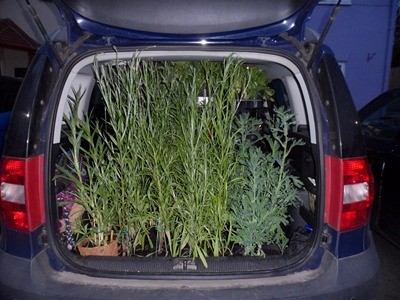
Plants packed into car ready for a fair
Shows preparation and brings people along before the event.
In effect, social media does some of the educational work before the fair even opens.
It helps customers garden better
Many native and specialist plants don’t fit the instant-gratification model. Social media allows us to show plants across seasons — dormant, emerging, flowering - so customers understand how they behave over time.
That leads to better outcomes in gardens, which helps everyone.
Is social media just fashion?
It can be — if it’s used without purpose.
The danger is treating it as something you ought to do, rather than something useful. Used properly, social media is simply another way of communicating, no different in spirit from catalogues or newsletters. The medium is new; the purpose isn’t.
It builds trust before people ever arrive
One of the most valuable things social media does is something that’s hard to measure: it builds trust in advance.
When customers have already seen how plants are grown, managed and cared for, they arrive more confident. Conversations at the stand are easier, questions are better informed, and buying decisions are made with clearer expectations.
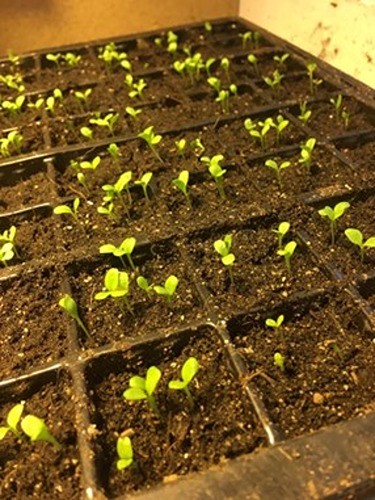
Plug lifted to show pricking-out stage
Shows process and reassures people about plant quality.
I’ve had customers say, “I’ve been following these since they were seedlings.” That’s not marketing — that’s relationship.
What works online (from experience, not theory)
Over time, I’ve learned that people respond best to posts that are:
- honest — real plants at real stages
- specific — “pricking out today” beats “available now”.
- seasonal — including dormancy and slow progress.
- human — not just plants, but the people behind them
People like seeing how things grow.
What’s kept it useful for me
To stop social media becoming exhausting, I stick to a few simple principles:
- post what I’m doing.
- share what’s happening now, not what I think should impress.
- accept that some posts will be quiet.
- treat it as conversation, not advertising.
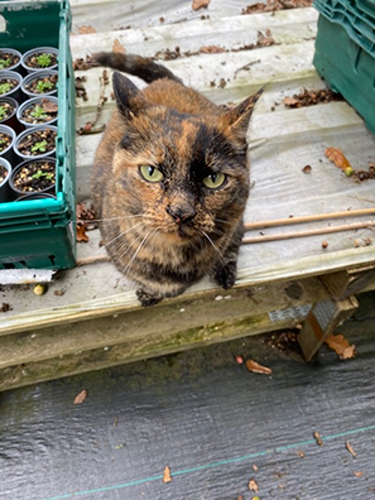
Behind-the-scenes moment Lucy and informal nursery life
Reinforces that people connect with real life, not performance.
So, does it really matter?
Social media won’t replace good plants, careful growing, or proper conversations at fairs.
But it does extend your presence beyond event days, prepare customers before they meet you, and strengthen long-term relationships. Used gently and honestly, it stops being about fashion and starts being about continuity - which matters a great deal for small nurseries.
Paul
Peter the Bee and Friends
Fairs
Past Fairs:
 The joy of Hardy Cyclamen - Read More..
 Wildflowers in Practice - Read More..
 Why Social Media matters to small nurseries – and how to use it without losing your mind - Read More..
 Handy Plants for Climate Change - Read More..
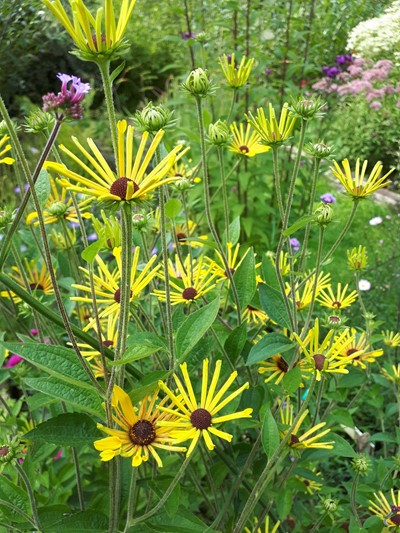 Hard-working Plants for Late Summer and Autumn Colour - Read More..
