
Wildflowers in Practice - How to use them throughout the garden
Steven & Lindsay Lister from PlantWild at The Blooming Wild Plant Nursery based in Somerset - 06 March 2026
Wildflowers in practice – How to use them throughout the garden
There’s something quietly magical about stepping outside and seeing wildflowers; natural, unforced and full of life. At PlantWild, we’ve always believed that wildflowers don’t just brighten a space; they invite the whole ecosystem in. Whether you garden for wildlife, beauty, ease, or all three, blending wildflowers into your outdoor space is one of the simplest and most rewarding ways to transform it.
Why Wildflowers Belong in Every Garden
Wildflowers offer richness far beyond their colour. They’re a bridge between ornamental gardening and true ecological care. They are a way to garden with nature, not against it. When planted thoughtfully into beds, borders, or even tucked along the edge of a pond, these plants create a tapestry that supports pollinators, biodiversity and adds dimension through the seasons.
From nectar‑rich spring blooms to winter seed heads that feed birds, wildflowers bring rhythm, life and continuity to any outdoor space.
Start with the Right Setting
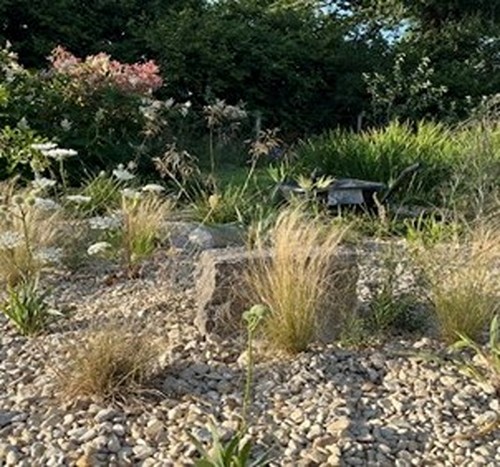
Before planting, take a moment to understand your space.
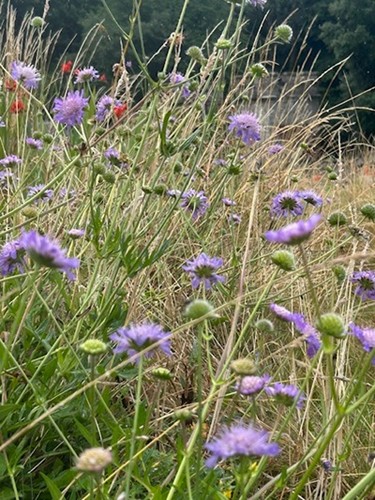
- Sunny, dry borders suit classics like Knapweed, Scabious and Oxeye daisy.
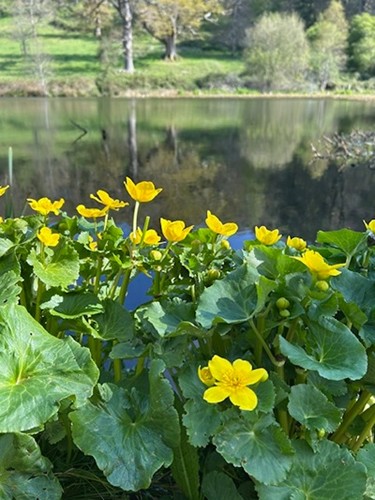
- Moist or partly shaded areas welcome Meadowsweet, Ragged Robin and Marsh Marigold.
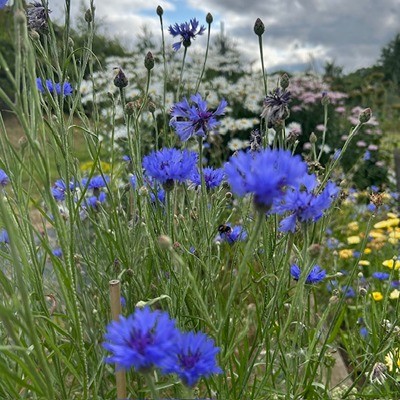
Wild corners or mini‑meadows can host a full palette of native annuals and perennials, creating an ever‑changing landscape.
The key is choosing species that work with the light, soil and moisture you already have. Wildflowers thrive when conditions match their natural habitat.
Blend, Don’t Block
Our approach is gentle and naturalistic. Instead of planting in rigid rows, try weaving wildflowers through existing beds.
- Mix wildflowers among perennials and ornamental grasses. Their informality sits beautifully beside more structured plants.
- Plant in loose drifts or clusters of 3–7 for a natural feel.
- Let grasses like Deschampsia or Molinia act as soft companions - they add movement and help tie everything together.
- Use repetition to create harmony: the same bloom popping up in several spots feels intentional, calm, and cohesive.
Think Layers, Colour and Seasonality
Wildflowers aren’t just about summer‑colour. A well‑balanced mix provides interest from early spring right through to late autumn.
- Spring: Cowslips, Primroses are ideal in containers
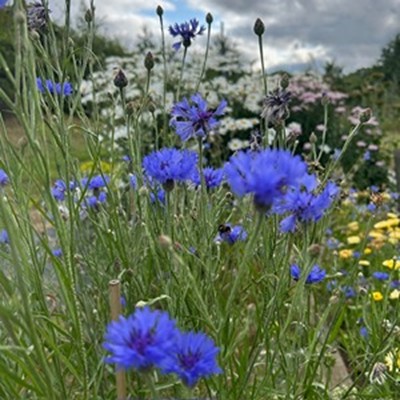
- Summer: Cornflower, Yarrow, Bird’s‑foot Trefoil bring pollinators to sunny spaces
- Autumn: Devil’s‑bit Scabious, Wild Marjoram attract late season insects
- Winter: Seed heads will feed and support birds and provide structure to a border
Aim for a blend of heights and textures. Tall spires, airy flowers and low ground‑cover plants all play their part.
Make Space for Wildlife
A wildflower‑rich garden is brimming with life, bees browsing, butterflies pausing, hoverflies darting between stems. Seed heads feed Goldfinches; dense foliage shelters amphibians near water.
Blending wildflowers isn't just gardening, it’s habitat‑building. And every patch, no matter how small, makes a difference.
Maintaining a wildflower patch
Once planted, wildflowers are wonderfully low‑maintenance.
- Water during dry spells in the first few months
- Remove dominant weeds early on
- Lightly trim meadows in late summer, leaving some seed heads standing
- Avoid rich fertilisers, most wildflowers prefer a less fertile soil
Most importantly: let them be themselves. A little untidiness is part of the charm.
A Final Thought
Blending wildflowers into your outdoor space is an invitation for colour, wildlife, and for a gentler type of gardening. It’s about working with nature’s rhythm and celebrating the simple joy of seeing your garden become a haven.
Whether you’re adding just a few plants to a border or creating a fully woven wildflower tapestry, every step brings more beauty into the world. And that’s something worth growing.
Website: www.plantwild.co.uk
Fairs
Past Fairs:
 The joy of Hardy Cyclamen - Read More..
 Wildflowers in Practice - Read More..
 Why Social Media matters to small nurseries – and how to use it without losing your mind - Read More..
 Handy Plants for Climate Change - Read More..
 Hard-working Plants for Late Summer and Autumn Colour - Read More..
